
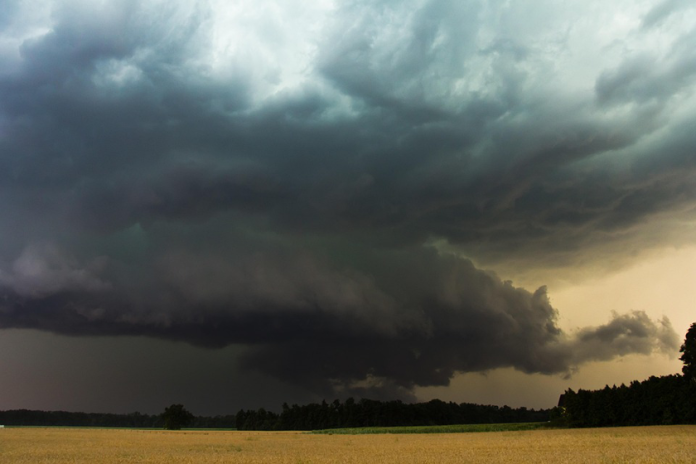
The Montana Board of Hail Insurance has approved a 10% refund on premiums paid by farmers who purchased state hail insurance in 2024.
This decision was made during the board’s spring meeting in March 2025 after reviewing the actuarial report. The refunds apply to policies issued by the Montana Department of Agriculture, which covered 308,635 acres across 37 counties through 262 policies in 2024.
Additionally, the board decided to maintain the same premium rates for hail insurance in 2025 as those charged in 2024. The board is composed of agricultural producers and state officials, including Chair William Von Bergen, Vince Mattson, Jim Schillinger, Montana Department of Agriculture Director Jillien Streit, and Montana State Auditor James Brown.
The approval of the 10% refund by the Montana Board of Hail Insurance likely involved several key factors, drawing parallels from general refund program principles observed in other contexts:
Actuarial Analysis:
The board’s review of the 2024 actuarial report likely identified a surplus in the premium pool, enabling refunds without jeopardizing financial stability. This mirrors the FTC’s approach of assessing available funds before distributing refunds.
Administrative Feasibility:
With 262 policies covering 308,635 acres, the program’s manageable scale likely reduced administrative costs, similar to how the FTC prioritizes efficient distribution mechanisms.
Pro Rata Distribution:
The refund’s flat percentage aligns with common pro rata models (e.g., FTC cases), ensuring equitable distribution based on premiums paid.
Stakeholder Input:
The board’s composition, including agricultural producers and state officials, suggests a balance between industry expertise and regulatory oversight, fostering decisions that reflect both fiscal responsibility and farmer needs.
Stable Premium Rates for 2025:
Maintaining unchanged rates for 2025 may have provided financial predictability, allowing the board to allocate surplus funds from 2024 without adjusting future revenue streams.
These factors collectively align with best practices for refund programs, emphasizing actuarial soundness, administrative efficiency, and stakeholder consensus.
For more information about state hail insurance or the Montana Board of Hail Insurance, please contact the Montana Department of Agriculture Hail Specialist at (406) 444-2402, by email at agr@mt.gov, or by visiting agr.mt.gov online.
The Montana Department of Agriculture is serving Montana Agriculture and growing prosperity under the Big Sky. For more information on department programs and services, visit agr.mt.gov.